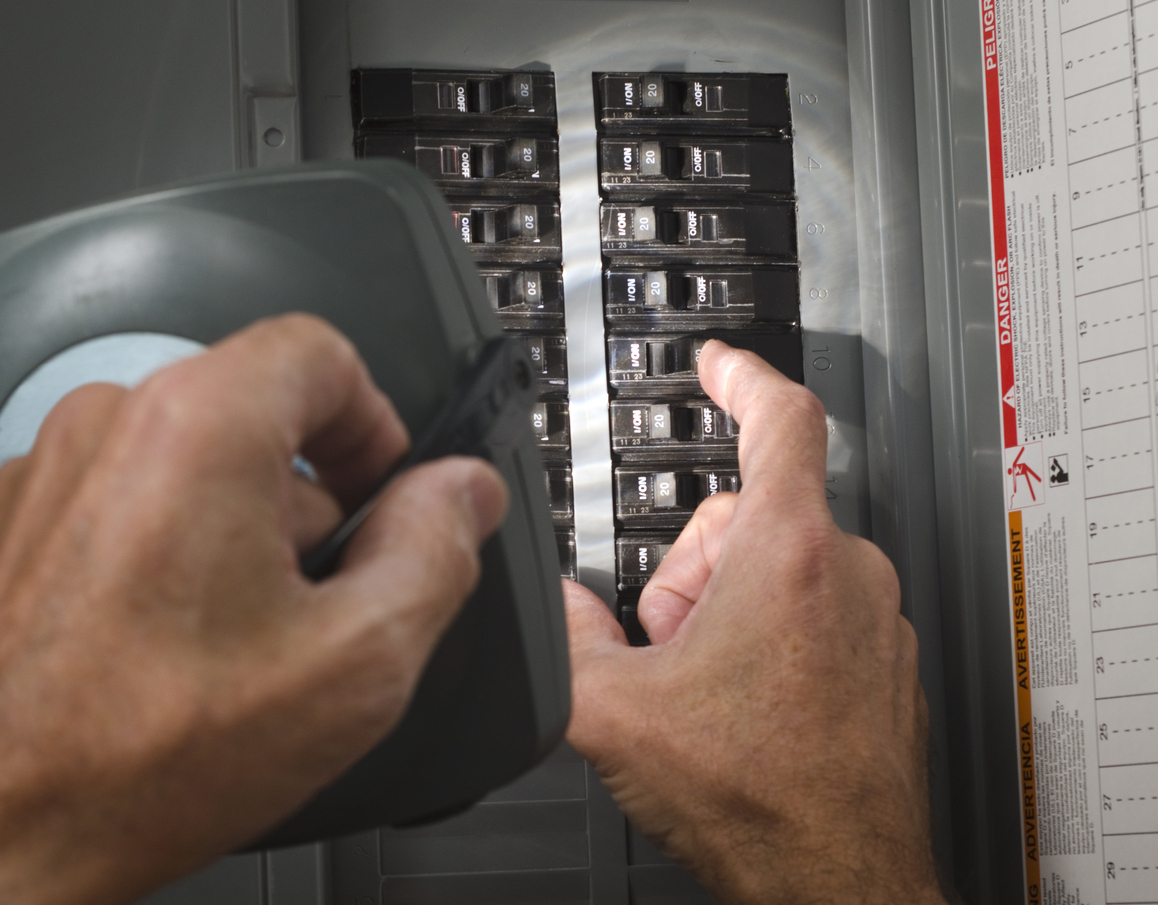


Summer is when our air conditioning systems work their hardest. While you stay cool inside, your home’s electrical system is under significant strain. The electrical panel, the heart of this system, handles the AC’s massive power demand. An outdated or undersized panel can lead to frustrating and potentially unsafe situations if it can’t handle the load.
Once you recognize the warning signs of a struggling electrical panel, you can protect your home, appliances, and family. Ignoring these signals can lead to power disruptions, equipment damage, and electrical fires. Watch for these key indicators that your panel is struggling with the summer AC load.
Why Summer AC Use Can Strain an Electrical Panel
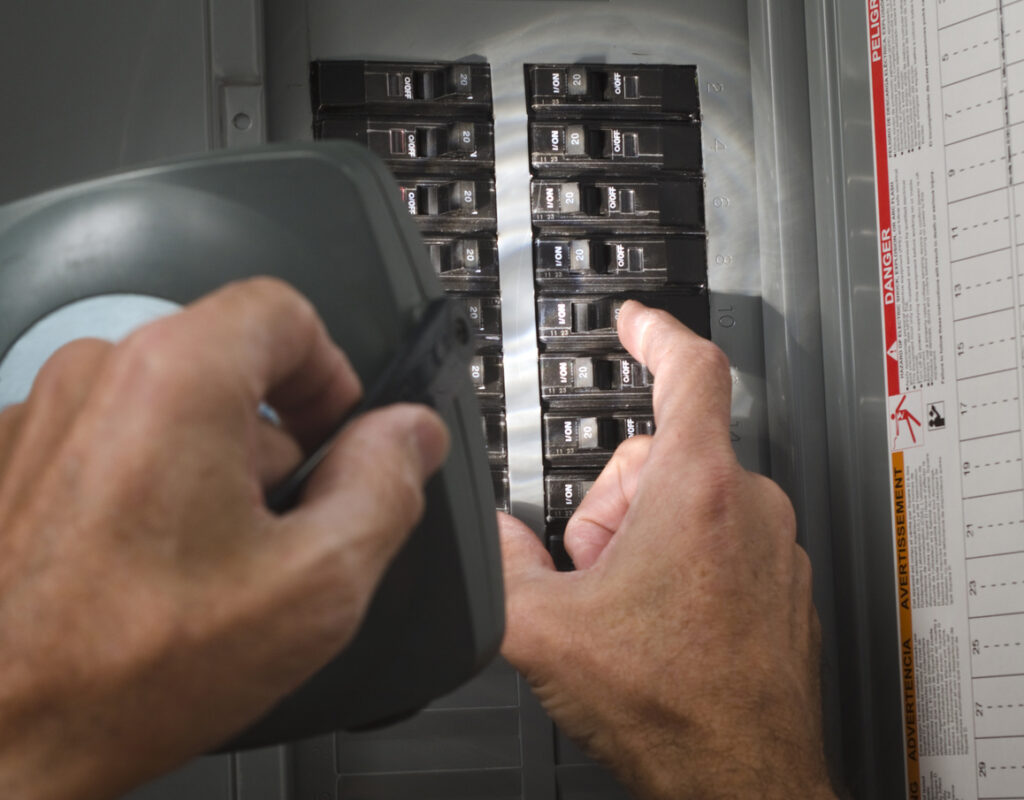
A central air conditioner is one of the most power-hungry appliances in any home. When its compressor kicks on, it creates a brief surge of electrical demand. While a modern electrical panel is designed for these surges, older or undersized panels may lack the capacity to support both the AC and your other household needs.
Think about everything else running in your home, from the refrigerator to the washing machine. The combined load can overwhelm a panel that is decades old, especially since electrical demands were much lower. This cumulative strain is why problems often appear during peak summer months. Here are some signs that your electrical panel is struggling under your summer AC load.
1. Breakers Keep Tripping When the AC Runs
A circuit breaker is a vital safety device that shuts off power during an overload to prevent wires from overheating. Your AC breaker could trip once for several reasons, but if it trips repeatedly, it’s a clear sign that the system needs attention.
Frequent tripping signals that the circuit is drawing more power than it can handle. While the issue could be the air conditioner, it often points to an overloaded electrical panel. Frequent breaker trips are a common symptom of a panel needing professional attention. If a breaker trips and won’t reset, schedule an appointment with an emergency electrician.
2. Lights Dim or Flicker When the AC Starts
If you’ve noticed lights dimming when the air conditioner turns on, it’s because the AC compressor requires a large amount of electricity to start. This causes a brief but significant voltage drop across your home’s electrical system.
While this effect is minimal in a home with an adequate electrical panel, a struggling panel will cause a more pronounced voltage drop, making lights flicker. This is a classic sign that your electrical system is operating near its maximum capacity.
3. The Electrical Panel Feels Warm or Makes Unusual Noises
Your electrical panel shouldn’t feel unusually warm or hot or produce persistent abnormal sounds. If the panel feels warm or hot, it’s a warning sign. This warmth indicates that a breaker or wire connection is overheating from excessive current, which is a fire hazard.
Unusual sounds like buzzing, sizzling, or crackling are also cause for immediate concern. A persistent buzz can indicate a faulty breaker or a loose connection, while a crackling sound often points to dangerous electrical arcing. If you notice these signs, schedule an electrical panel repair right away.
4. Your AC or Other Appliances Aren’t Running at Full Power
An overloaded or deteriorating electrical panel cannot deliver a consistent power supply. This can cause your appliances to underperform. Your AC might not cool effectively, or your oven might seem to lack power.
If appliances noticeably lose power or perform differently when several high-demand devices are running, the electrical system may need professional evaluation. Voltage problems, loose connections, overloaded circuits, or other electrical issues can contribute to poor appliance performance.
5. You Have an Older Panel With Growing Electrical Demands
Many older homes have electrical systems designed for a simpler time. Panels with 100 amps of service, once standard, are inadequate for modern households that have electronics and high-efficiency appliances.
If your home is over 20 years old and has its original panel, it may be struggling to keep pace. We recommend having an electrician evaluate older electrical panels. An inspection can determine if your system is safe and has enough capacity, or if it’s time for electrical service upgrades.
When Does a Struggling Panel Need Repair or an Upgrade?
Not every panel issue requires a full replacement. Electricians can sometimes repair a faulty breaker or loose connection. However, if the fundamental problem is a lack of capacity, overheating, or the panel’s age, an upgrade is often the safest solution.
- Panel age and condition
- Available electrical capacity
- Frequency of breaker trips
- Signs of overheating or corrosion
- Current and future household electrical demand
Keep Your Electrical System Ready for Peak Summer Demand
Your electrical panel is too important to ignore. Signs like tripping breakers, flickering lights, or an unusually warm panel are signs that you need to schedule an electrical inspection. Addressing these issues promptly helps you protect your property from the risks of an overloaded electrical system. Our professionals are here to help you keep your electrical system safe and reliable.
If you’ve noticed any of these warning signs, contact Quality Electric Service, LLC today to schedule an inspection.
FAQs
Can running the AC cause my breaker to trip?
Yes. An air conditioner requires a lot of power and can cause a breaker to trip, especially on an old circuit. If this happens frequently, the circuit, panel, or AC needs a professional inspection.
How do I know if my electrical panel is overloaded?
Common signs of an overloaded panel include breakers that trip often, lights that dim or flicker when appliances turn on, a panel box that is warm to the touch, buzzing or crackling sounds from the panel, or a faint burning odor.
Does an older electrical panel need to be replaced before installing a new AC system?
Not necessarily. A new central AC system is a major investment that needs adequate power to run safely. An electrician can perform a load calculation to determine if your panel has enough capacity. If you have an undersized or outdated panel, an upgrade is often necessary to protect your new equipment and meet electrical codes.
What size electrical panel does a modern home need?
Most modern homes have a 200-amp panel, which is usually sufficient for central air and other common loads. Large homes or those with features like EV chargers may require more. An electrician can determine the right size for your needs and recommend safety features like whole-home surge protection.