

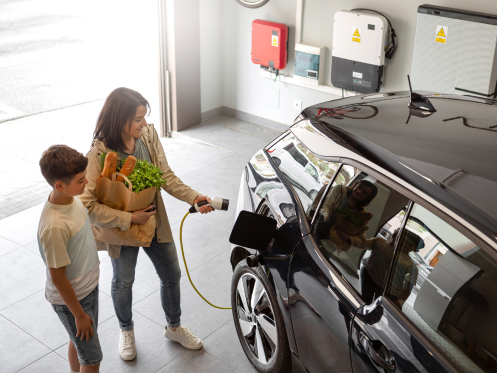
Charging your electric vehicle at home is one of the biggest conveniences of EV ownership. Instead of planning trips around public charging stations, you can plug in when you get home and have your vehicle ready for the next day. But how you charge at home depends on your driving habits, your vehicle, and your home’s electrical system.
Some Tennessee homeowners can meet their charging needs using a standard household outlet, while others benefit from installing a dedicated Level 2 charger. Understanding the differences, electrical requirements, and installation process can help you choose the right setup for your home.
Understanding Your Home EV Charging Options
There are two primary options for residential EV charging: Level 1 and Level 2. Both allow you to charge your vehicle at home, but they differ in speed, electrical requirements, and installation costs.
Level 1 Charging: Using a Standard Household Outlet
Level 1 charging uses a standard 120-volt household outlet and typically adds about 2 to 5 miles of driving range per hour. It is the simplest home charging option because it may allow you to use an existing electrical outlet without installing a dedicated charging station.
For homeowners with shorter commutes, plug-in hybrids, or vehicles that remain parked overnight for extended periods, Level 1 charging may provide enough power to meet daily driving needs. However, the outlet and electrical circuit must be suitable for continuous EV charging, so it’s important to have their condition and capacity evaluated.
Level 2 Charging: Faster Charging With a Dedicated Circuit
Level 2 charging operates on a 240-volt circuit and generally adds about 10 to 30 miles of driving range per hour, with some systems charging faster. This makes it a practical option for homeowners with longer commutes, larger vehicle batteries, or limited time available for charging.
Level 2 chargers can be hardwired into your electrical system or connected through a properly installed 240-volt outlet. Both configurations require suitable electrical capacity and professional installation.
While Level 2 charging offers greater speed and convenience, it isn’t necessary for every EV owner. The right choice depends on how much charging you actually need.
How to Choose the Right EV Charging Setup for Your Home
Before investing in a home EV charger, consider how you use your vehicle and how much time you have to charge it. A homeowner driving 20 miles each day may have very different charging requirements than someone regularly traveling 80 miles or more.
- Daily driving distance: Consider how many miles you typically drive and how much battery range you need to replace each day.
- Charging time: Think about how long your vehicle remains parked at home, particularly overnight.
- Vehicle compatibility: Your EV’s onboard charging capabilities determine how much power it can accept.
- Electrical capacity: Your home’s existing wiring and electrical service affect which charging options are practical.
- Future needs: Consider whether you may purchase another EV or need faster charging in the future.
A licensed electrician can help you evaluate your home’s electrical setup and determine whether an existing outlet is sufficient or a dedicated charging circuit would be a worthwhile investment.
Does Your Electrical Panel Have Enough Capacity for EV Charging?
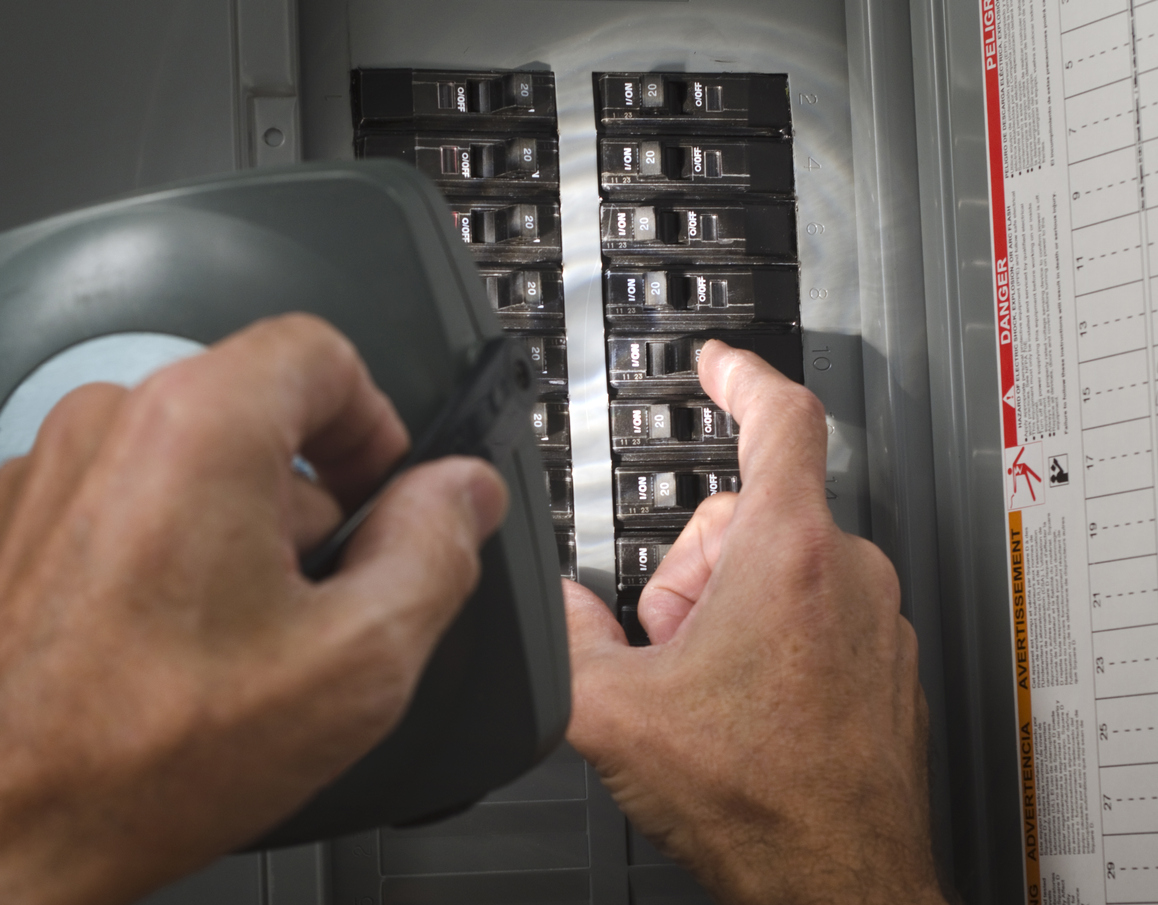
EV charging adds electrical demand to your home, particularly when using higher-powered Level 2 equipment. Your electrical panel must have enough available capacity to support charging alongside your air conditioning, water heater, appliances, and other household equipment.
Many older Tennessee homes have 100-amp electrical service, which may limit the amount of additional electrical load they can safely accommodate. However, having a 100-amp panel doesn’t automatically mean you need an upgrade to charge an EV.
A licensed electrician can perform a load calculation to determine how much capacity is available. Depending on the results, your options may include installing a dedicated charging circuit, choosing equipment with a lower charging rate, or using an energy management system to control electrical demand.
If your existing service cannot accommodate your charging needs, an electrical service upgrade may be recommended. The right solution depends on your home’s electrical demands and the charging equipment you plan to use.
Where Should You Install Your Home EV Charger?
The location of your charging equipment affects convenience, installation requirements, and long-term usability. Many homeowners prefer charging in their garages, but outdoor installations near a driveway can also be practical.
Your electrician will consider the distance from the electrical panel, where you typically park, and whether the charging cable can comfortably reach your vehicle. Outdoor equipment must be rated for the installation environment and properly protected from the elements.
Planning the location carefully can help make daily charging more convenient while minimizing unnecessary electrical work.
Why Professional EV Charger Installation Matters
Whether you’re evaluating an existing outlet or installing a dedicated charging station, electrical safety should come first. EV charging places a sustained load on your electrical system, making proper wiring, circuit protection, and equipment compatibility especially important.
A licensed electrician can evaluate your home’s electrical system, recommend the appropriate circuit configuration, and ensure new equipment meets applicable electrical codes. Plug-in charging installations also need appropriate GFCI protection where required by code.
Professional installation can also include obtaining necessary permits and completing required electrical inspections. These steps help reduce electrical hazards and ensure your charging equipment operates safely.
What Happens During a Home EV Charger Installation?
The process begins with an evaluation of your home’s electrical capacity and your vehicle’s charging requirements. Our electricians review your panel, wiring, and preferred charging location to recommend a setup that works for your household.
If a new charging circuit is needed, our team will plan the necessary electrical installation based on the equipment’s power requirements and your home’s available capacity. This may involve running new wiring, installing a suitable outlet, or hardwiring a charging station.
Once the equipment is installed, we test the connections and charging operation to confirm everything is functioning properly. We’ll also explain how to use your charging setup and answer any questions before the job is complete.
Explore Home EV Charging Options With Quality Electric Service
Home EV charging should fit your daily routine, your vehicle, and your home’s electrical capabilities. Whether you need help evaluating an existing outlet or want to install a faster Level 2 charging station, professional guidance can help you make the right decision.
At Quality Electric Service, LLC, our electricians help Middle Tennessee homeowners prepare their electrical systems for modern technology. From evaluating panel capacity to installing dedicated charging circuits, we provide reliable electrical solutions designed around your home’s needs.
For professional EV charger installation in Murfreesboro and the surrounding Middle Tennessee area, contact Quality Electric Service, LLC to schedule service. We’ll help you find a safe, convenient home charging solution that works for you.